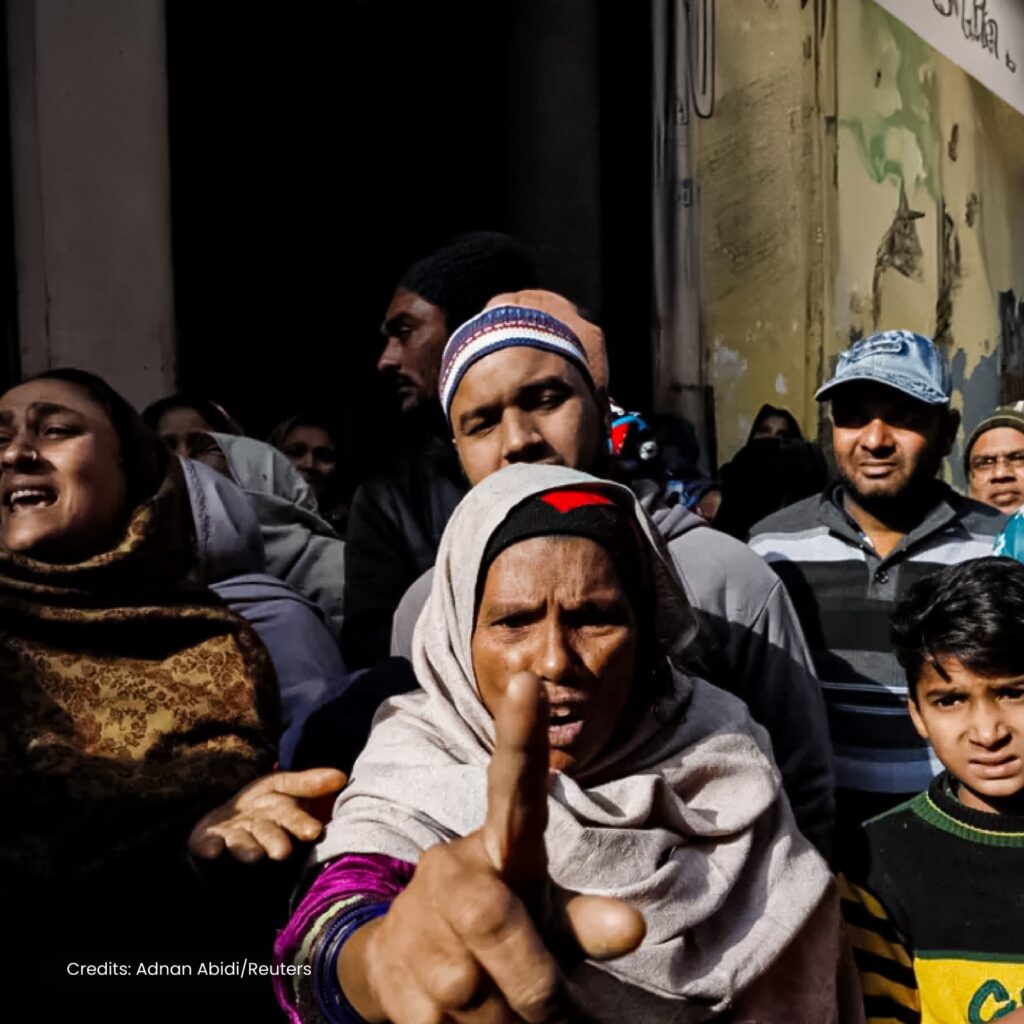
The Internet we were never supposed to see
The Indian internet began in whispers. Shared cybercafés. Slow connections. And yes… lots of porn.
That’s right. Before Twitter debates and WhatsApp storms, we were all sneaking clicks like guilty children. And guess what? That streak never left us.
Porn taught us two things: how to hide your tracks and how to chase what you wanted online without anyone knowing. Skills that would come in handy when the internet went political a decade later.
Outrage goes public
Then social media happened. Suddenly, your private quirks became public virtues. The same people who hid behind screens now waved banners with their thumbs.
WhatsApp forwards more than jokes, became weapons. Facebook posts more than posts, became battlegrounds. Twitter threads more than conversations, became competitions in who could shout the loudest, angriest, or most performatively offended.
The irony? We evolved from secret browsers to digital preachers overnight. And the internet rewarded us for it. Clicks, shares, likes: the more you roared, the more power you got.
Propaganda hits prime time!
By the late 2010s, porn was history, outrage was the currency, and propaganda became the art form.
- Internet shutdowns? India leads the world. Kashmir went dark for 552 days, even under a near-President’s rule. Silence, but also a reminder that control is digital now.
- Laws against ‘fake news’? Mostly used to quietly shape conversations. The platforms? Happy to comply.
- Algorithms love anger. They don’t care about the truth. Emotional virality wins, every time.
Your feed stopped being a reflection of reality. It became a carefully designed annoyance; full of rage, half-truths, and everything you didn’t even know you were supposed to think.
The real punchline
Here’s the thing: We built the internet in this way.
Every click, every forward, every comment, it’s like tossing a match into a fireworks factory. The outrage you think is spontaneous? Carefully amplified. The viral story you shared? Likely engineered to keep you hooked.
And the beauty of it? You don’t even notice. You think it’s your choice, but really, the internet is a mirror that’s learned to argue back, to flirt with your instincts, to reward your rage.
We taught it to manipulate us, and now we’re surprised when it does exactly that. The joke’s on all of us, and the punchline is perfectly tailored for virality.
So, who the f**k is running this circus?
Here’s the mind-bender: the real power isn’t with politicians, platforms, or even the trolls. It’s with everyone who participates. Every share, every “LOL, but true” comment, every reaction fuels the machine.
The Indian internet has become a mirror maze, where we see ourselves in exaggerated, angrier, louder form, and we just can’t stop staring and staring at it.
Porn taught us stealth. Politics taught us performance. Propaganda taught us that attention is currency.
And we? We became both the audience and the performer, applauding the chaos we helped create.
So next time you scroll, remember: the circus isn’t coming for you. You’re the one running it, juggling outrage like flaming clubs, and loving every second.
Any takeaway from this?
None, we are goddamn addicted to mere dopamine shots.
Just hoping if this was a good read.